The Rework Room The Rework Room
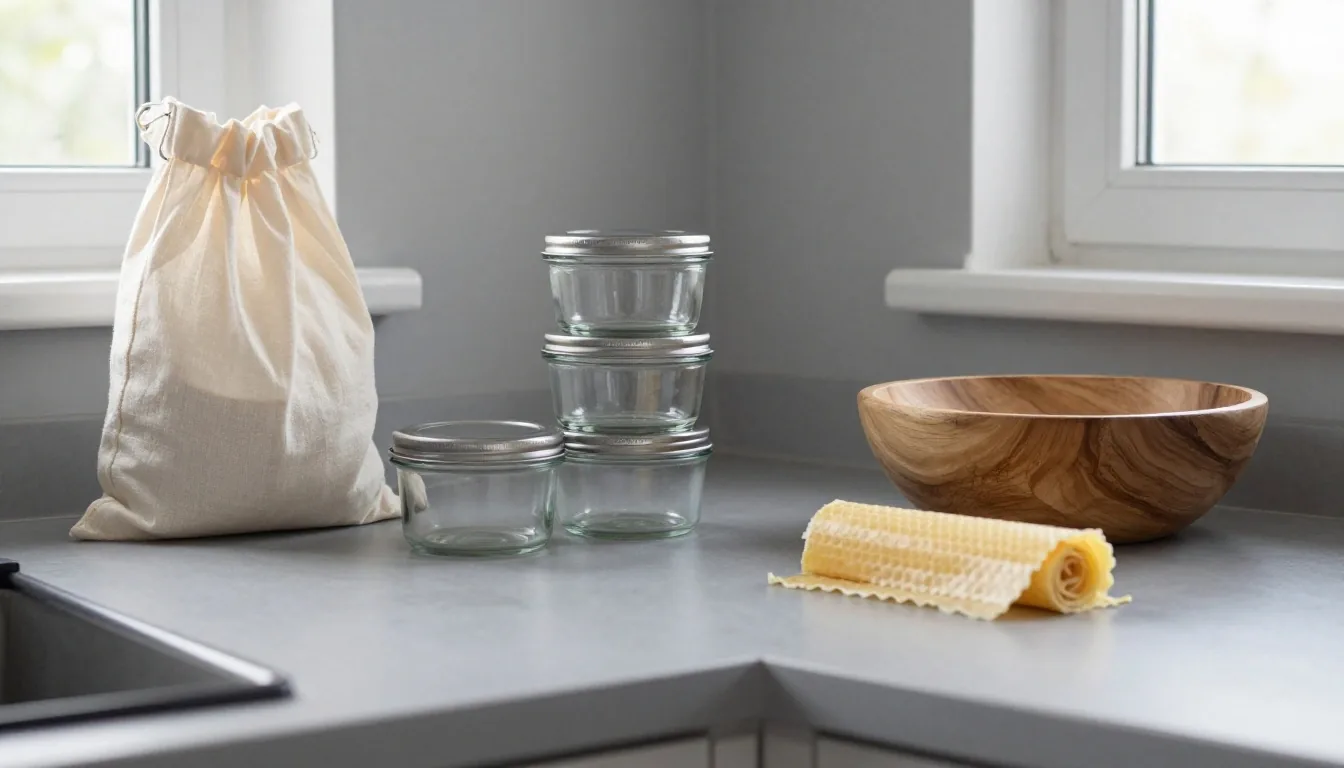
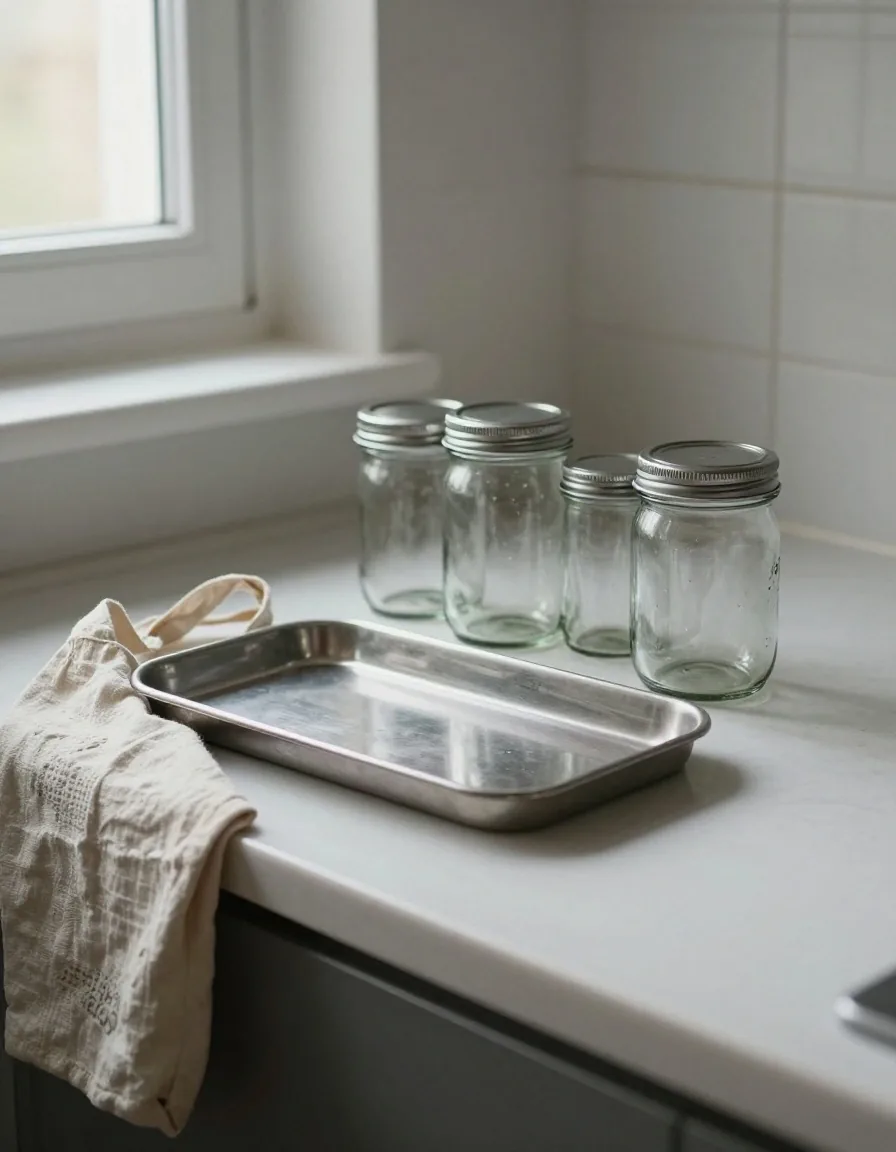
Reused glass jars, a steel tray and a cloth produce bag laid out on a worktop
Month one, four weeks of habits

Zero waste living, starting from zero

A zero waste starter kit for your first month

The first month is about noticing, not shopping. Four weeks of small changes that need no new equipment, written for UK households, including flats without gardens and shared kitchens.

Read the page once, then work through one week at a time.

Nothing here needs a purchase to begin.

Falls off? Run the first week again, that is the reset.

What the kit actually is

Four weeks of noticing, then an optional short list

Most zero waste tips for beginners fail because they start with a shopping list. This one starts with an audit. Week one costs nothing, week two usually pays for itself in food you don't bin, and the items at the end are things a household would buy anyway. If you are weighing up upcycling vs recycling difference for the first time, the habits below are the place to begin.

Who it suits

Renters, flats without outdoor space, and shared houses where the kitchen is not yours alone. Nothing here assumes a garden, a car, or a bulk-buy membership.

What it costs

Weeks one to four are free. The optional starter kit at the end is a short list of sustainable home essentials you would likely purchase in the next year regardless.

What it will not do

It will not empty your bin in a month. Soft plastics are the sticking point, and what your supermarket accepts changes often, so check the current list before you load up the car.

Week one

Track what you throw away

For seven days, keep everything you would normally bin. Don't change your habits yet. At the end of the week, spread it out and look at it. Most UK households find three things dominate: food waste, soft plastics, and packaging from online orders.

Write down rough counts, not weights. You are looking for patterns, not a grade. If most of your waste is takeaway containers, the fix is different from a household whose bin is full of uneaten bread. This week costs nothing and makes the rest of the kit useful — it is also the honest starting point for any low waste home guide.

What usually shows up

  • Food waste — the cheapest thing to fix, because you already paid for it
  • Soft plastics — the hardest domestic waste to deal with in the UK
  • Online order packaging — cardboard, void fill, and the tape

If your week looks nothing like this list, that is information, not a problem. Work from your own bin.

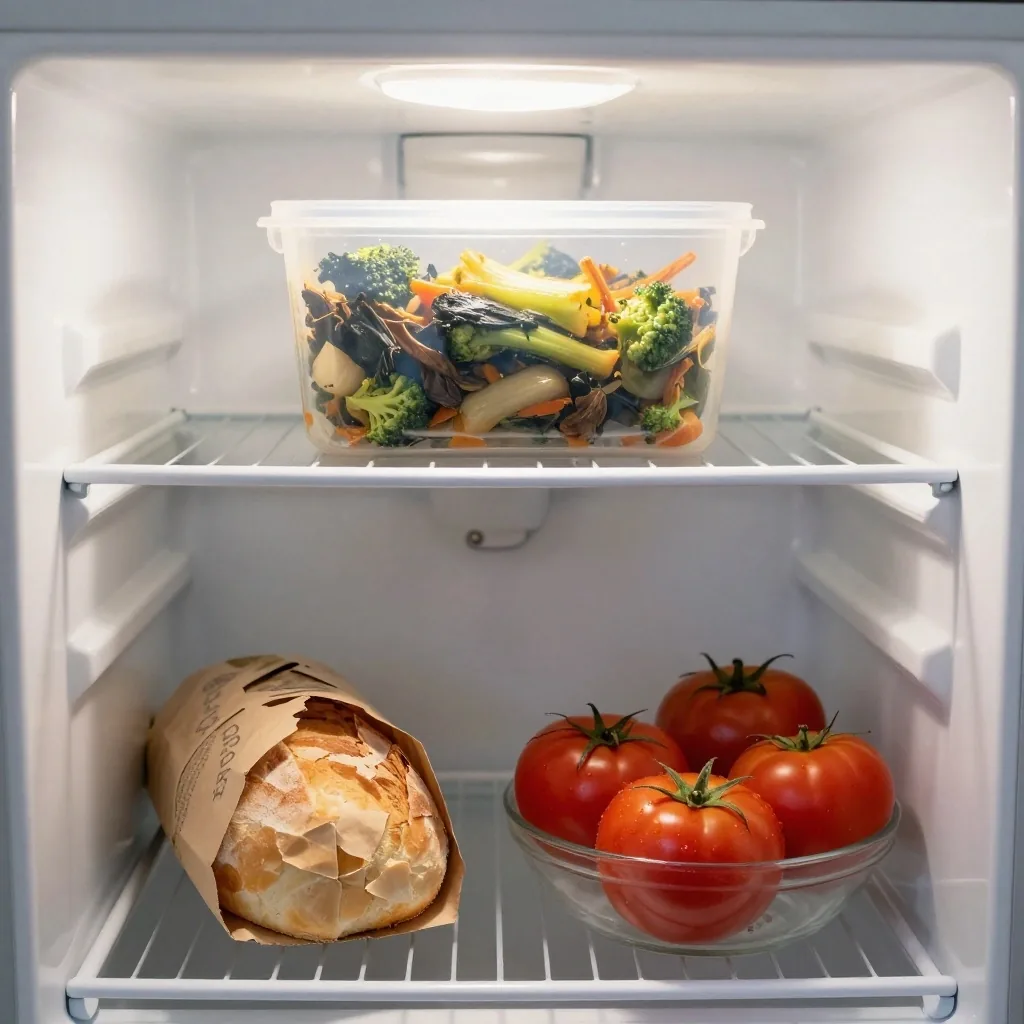
A reused container of leftovers on a fridge shelf beside a paper-wrapped loaf

Week two

Fix food waste first

Food is the cheapest waste to cut because you already paid for it. Start with the fridge. Move anything close to going off to a visible shelf, and put a container at eye level for things that need eating first. This is sometimes called a "use me first" box, and it is the single most effective habit in the kit.

Then check your storage. Potatoes go dark and cool, not in the fridge. Bread keeps longer in the freezer than in a bread bin. Herbs last longer with their stems in water. Onions and garlic need airflow, not a plastic bag.

By the end of week two, most households have cut their food waste by more than half without buying anything. If yours has not, the low waste home guide goes into more detail.

Storage, corrected

Potatoes
Dark and cool, out of the fridge, in a breathable bag
Bread
The freezer beats the bread bin for anything you won't eat in two days
Herbs
Stems in a glass of water, or chopped and frozen in a tray
Onions and garlic
Airflow, not plastic — a bowl or a mesh bag in the open

The one rule that carries the kit

Build habits that survive a bad week

Everyone falls off. A takeaway, a birthday, a week where you're ill and the cooking doesn't happen. The people who keep low waste habits long term are not the ones who never slip — they are the ones whose habits still work on a Tuesday when nothing is going to plan. A visible fridge shelf survives. A complicated meal plan usually doesn't.

Reset, not verdict

Run week one again briefly. See what shifted, adjust, carry on.

Week three

Soft plastics and shopping

The kerbside bin is not the whole picture. Some of this waste is decided at the till, before it ever reaches your kitchen.

Where soft plastics go

Your council almost certainly doesn't collect them kerbside. Some supermarkets run front-of-store collection points, and the rules about what they accept change often. Check the current list for your local store before you fill a bag.
Shop upstream instead

The bigger fix is at the point of purchase: loose fruit and vegetables, bread from a bakery counter, cheese from a deli. Sustainable shopping tips rarely beat simply buying the item without its packaging in the first place.

Visit a refill shop

If you live near one, week three is a good time to go. Bring your own containers and ask what they charge. Most are happy to explain, and it is a useful test of how to buy in bulk without buying more than you'll use.

This is also where reusable produce bags and a couple of cloths earn their place in your bag — not as a fashion statement, but because you'll use them twice a week. A loose-carry habit beats a plastic bag habit only if the bags are actually in the door pocket when you leave.

Week four

The bathroom, the laundry and the scraps

Bathrooms produce the most plastic per square metre in a typical home. Shampoo bars, refillable soap, and toothpaste tablets are common plastic free alternatives, but the win is smaller than cutting food waste. Prioritise accordingly — food first, then the shelf by the sink.

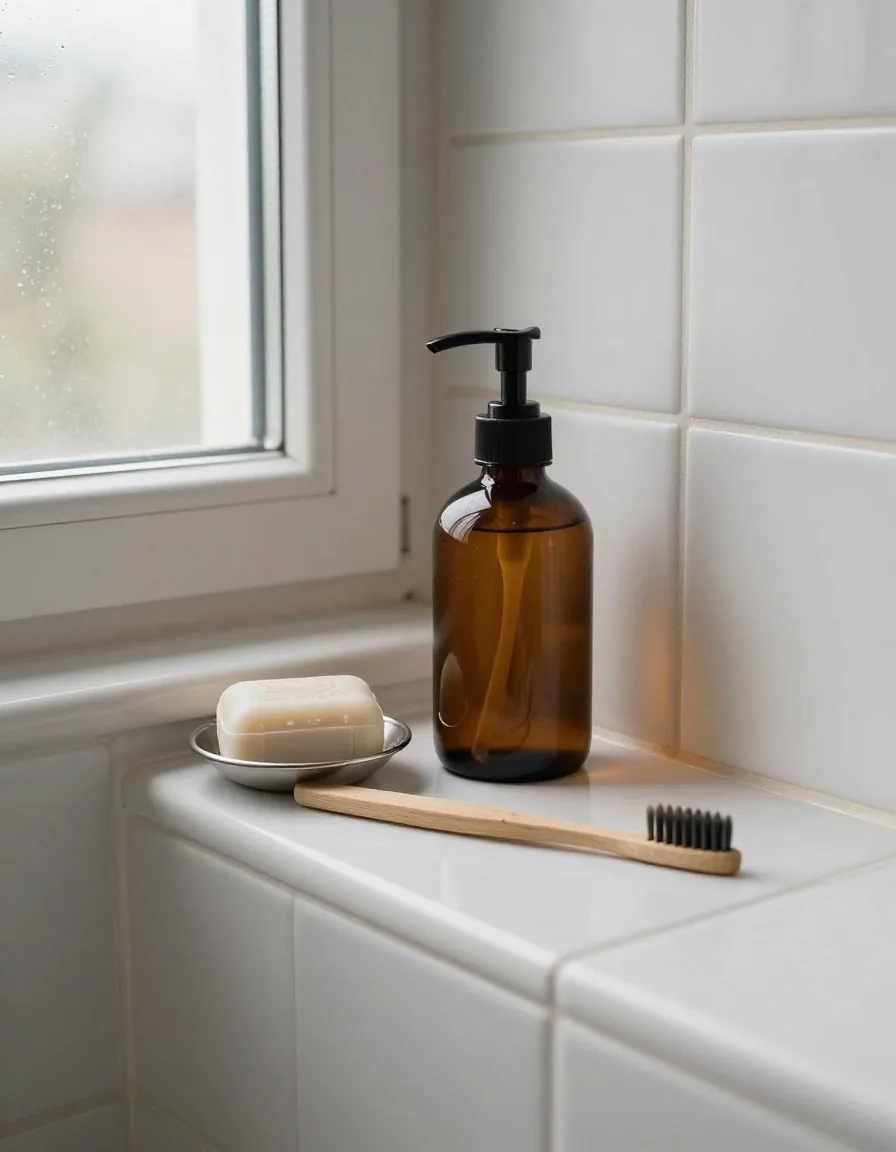
A solid shampoo bar, a refillable soap bottle and a toothbrush on a bathroom shelf
Start with the bottle you replace most often. If that is shampoo, the bar is the swap. If it is hand soap, refill it.
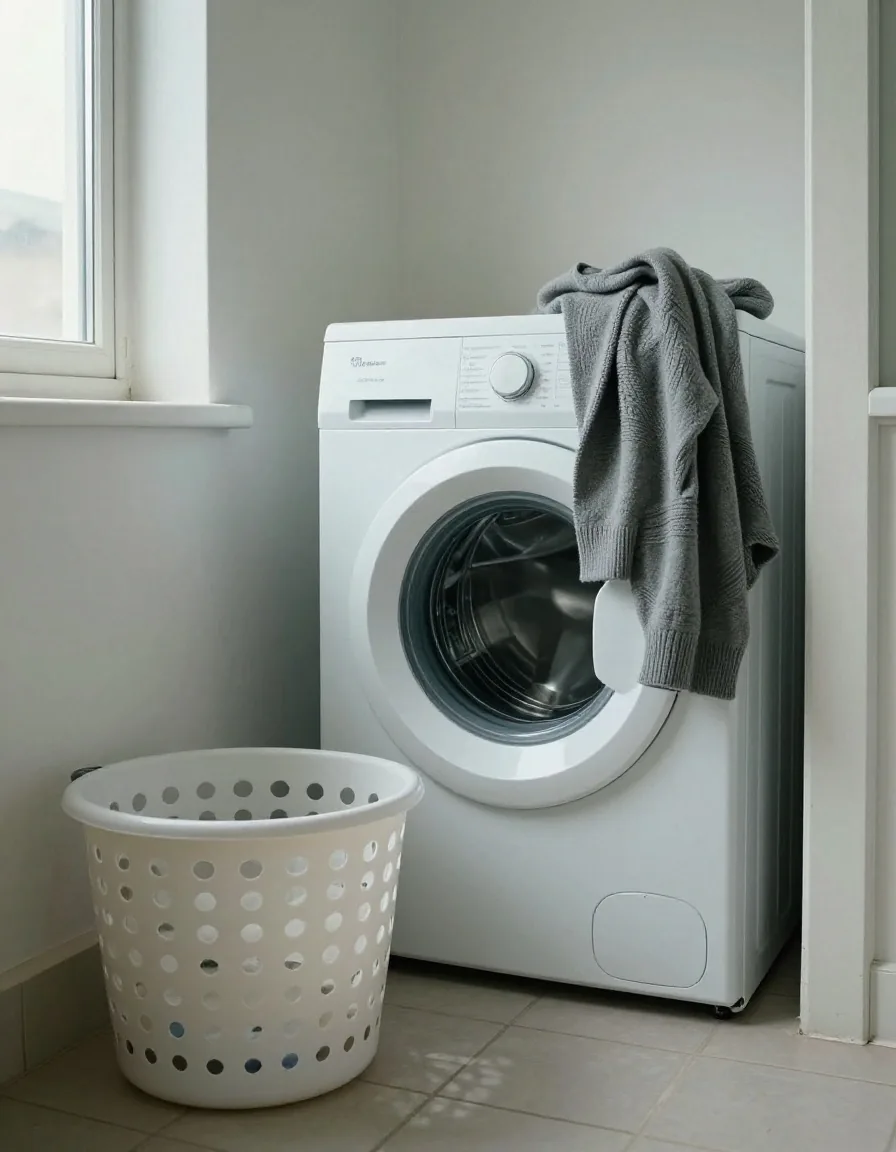
A loaded washing machine drum with a folded jumper resting on the open door
Laundry is the underrated one. Washing less often, at a lower temperature, with a full drum keeps garments in circulation longer.

Composting food scraps at home, honestly

If you have a garden, add a compost bin. If you have a balcony, look at a wormery instead — they are small, they do not smell if they are run properly, and they turn kitchen scraps into something you can use in a window box. If you have neither, check whether your council collects food waste; many now do, and a small counter caddy is all you need to use it.

For a microfibre-catching wash bag, the same caution applies: it helps if your clothes are mostly synthetic, though it isn't a complete solution to what a wash cycle releases.

Where you live decides the method

  • Garden: an outdoor compost bin, and a lidded caddy indoors
  • Balcony: a wormery, sized to the scraps one household actually produces
  • Neither: council food waste collection, plus a counter caddy

Home composting is usually not practical in a flat with no outdoor space. Everything else in this kit still works.

After the four weeks

The optional starter kit

Once the four weeks are done, a few items are genuinely worth buying. Nothing here is essential, and the cost is modest. Only buy these if the habits stuck.

Worth it

Four things you'll actually use

  • Two reusable produce bags — see our reusable produce bags guide for what to look for
  • Glass food containers that stack — the honest answer for plastic free food storage
  • One or two beeswax wraps, if you'll read the care notes and rewax them
  • A water bottle you will actually carry, not a nicer one you'll leave at home

Beeswax wraps usage and care matters here: they last, but only if you wash them cold and don't put them near heat.

Skip it

The drawer fillers

  • A bamboo cutlery set — rarely leaves the kitchen drawer
  • A stainless steel straw you'll never use — buy one only if you already drink through straws
  • A compostable phone case — the phone outlives the case by years either way
  • A "complete" kit box — buying the whole set at once is the most common way this stalls

These are the items that turn up in zero waste starter kit boxes and then sit in a drawer for two years. A shopping trip is not a habit.

Cloth produce bags, stacked glass containers and a beeswax wrap arranged on a worktop
Sustainable home essentials, if the habits stick

Questions before you start

The things beginners ask first

If your question isn't here, send it over and we'll answer it plainly. We'd rather tell you something won't work in your home than sell you a kit that won't.

Send us a question
How long does this starter kit take?

Four weeks if you follow it in order. Most of the time is spent noticing, not doing.

Do I need to buy the starter kit items?

No. The four weeks of habits are the kit. The optional items at the end are things you'd likely buy anyway.

Does this work if I live in a flat?

Yes, with one caveat. Home composting usually isn't practical without outdoor space. Everything else in the kit works in a flat — the fridge, the storage rules, the shopping habits and the laundry changes all apply.

What if the rest of the house isn't on board?

Work on the parts only you touch: your laundry, your shelf in the fridge, your bag on the way out. Shared kitchens change slowly, and a visible "use me first" shelf tends to spread by itself once someone else eats from it.

Stuck on a week?

Ask before you buy anything

The Rework Room is an editorial guide to zero waste living and creative upcycling, written for UK households. If a swap doesn't fit your flat, your council or your kitchen, write to us and we'll point you at what does — including when the honest answer is "don't buy that".

Contact The Rework Room

Write, call or visit

Monday to Friday, 9:00–18:00. Saturday, 10:00–16:00.