Kitchen — the biggest lever
Kitchens produce the most waste and the most guilt. Storage, cleaning, and food scraps all live here. Our zero waste kitchen swaps start with what fits your cupboards, not a shopping list.
 The Rework Room
42 Bramley Road, London, N14 4HR
Monday to Friday, 9:00–18:00 · Saturday, 10:00–16:00
[email protected]The Rework Room — a UK guide to using what you own
Most zero waste advice opens with a shopping list. Ours doesn't. We cover what to do with a jar of pickle brine, why your beeswax wrap went sticky, and where soft plastics actually go in London.
Zero waste living, as we teach it
A direction rather than a finish line. We treat reuse as the work, and downcycling as the last resort.
Cut the obvious first
Nobody with a normal job reaches an empty bin, and guides that pretend otherwise are selling something. What you can do is cut the obvious waste: food that rots before you eat it, packaging you did not choose, clothes that sit unworn for years.
Reuse, then recycling
Recycling sits at the bottom of our list, because most of it is downcycling. Glass jars get crushed into aggregate. Mixed plastics become park benches if you are lucky. Reuse keeps material at its highest value for longer, and that is where the household wins are.
The three doors in
Everything on this site splits into the three things people ask us about most: getting started, the kitchen, and projects you can actually finish in an evening. Pick whichever matches the hour you have.
Start here, for free
Buying a bamboo toothbrush feels productive. It is also the smallest lever in your home. The bigger wins are invisible: meal planning so you cook what you buy, a laundry routine that does not shrink clothes, and learning which containers your council actually accepts.
We suggest a two-week audit before buying anything. Write down what leaves your kitchen bin each day. Most UK households find food waste and soft plastic dominate — and neither of those needs a new product to fix. One needs better storage. The other needs a different shop.
Read the starter kitTwo weeks, no shopping
The starter kit walks through a first month that costs very little and does not require a well-decorated kitchen. It asks you to notice, then change one or two habits, then decide what is worth adding.
Room by room
Each room has its own pattern, so a single universal checklist tends to fail.
Kitchens produce the most waste and the most guilt. Storage, cleaning, and food scraps all live here. Our zero waste kitchen swaps start with what fits your cupboards, not a shopping list.
Bathrooms produce the most plastic per square metre. Most of it comes in bottles you buy by habit. Refills and solid bars do most of the work; decorative organisation does almost none.
These rooms mostly accumulate things you forgot you had. Before buying storage, sort what is already there and pass on what you will not wear. Second-hand first, but carefully.
Room guides start with the boring constraints: what your council collects, what your local refill shop stocks, and whether you have freezer space. A composting plan for a flat with a balcony looks nothing like one for a house with a garden — both work.
See the low waste home guideWhere the household wins are
Upcycling and recycling are not the same thing. Recycling happens after you give something up; upcycling happens while you still have it. The difference shows up in the difference between crushing a jar and refilling it.
Try an upcycling projectZero waste kitchen swaps
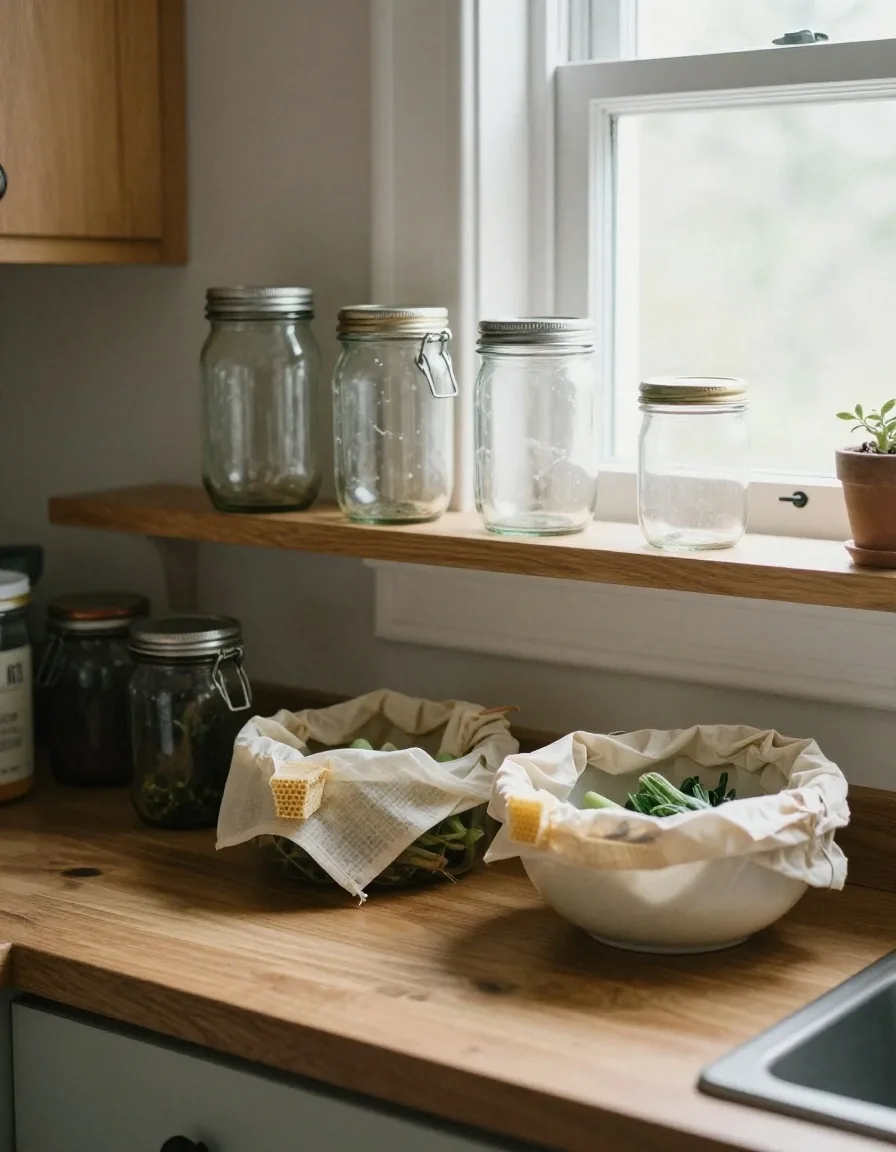
Food storage is where plastic-free living gets practical fast. Cling film is convenient until it is not. There is no single replacement, only a set of tools with different jobs — so we list the honest limits of each one.
Swap
Works well for
Where it struggles
Glass containers with matching lids
Cooked leftovers, dry goods, freezer portions
Heavy for packed lunches; mismatched lids go missing
Beeswax wraps
Cheese, sandwiches, covering a bowl
Raw meat; they go sticky in heat and need rewaxing
Reusable produce bags
Loose fruit and veg, bakery, dry goods
Only help if you remember them and wash them
Cloths instead of kitchen roll
Counters, spills, everyday wiping
Not for raw meat juices or grease trap pans
Silicone bowl lids
Round bowls you already own
Fit is fussy; they will not seal an odd-shaped dish
Where a swap creates more waste than it saves, we say so before you buy it.
Browse kitchen swapsCreative upcycling ideas
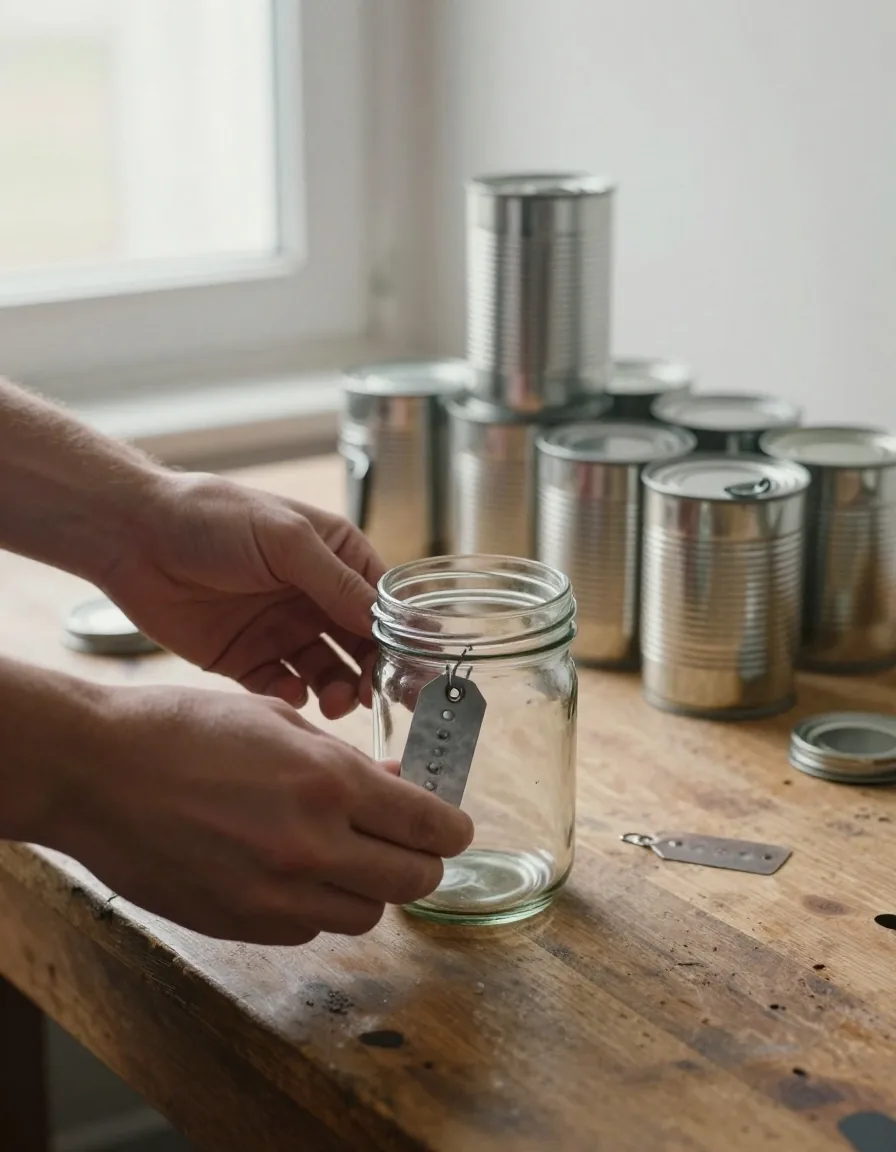
Most upcycling content shows a beautiful before-and-after and skips the four hours of sanding. We try to include the tedious middle.
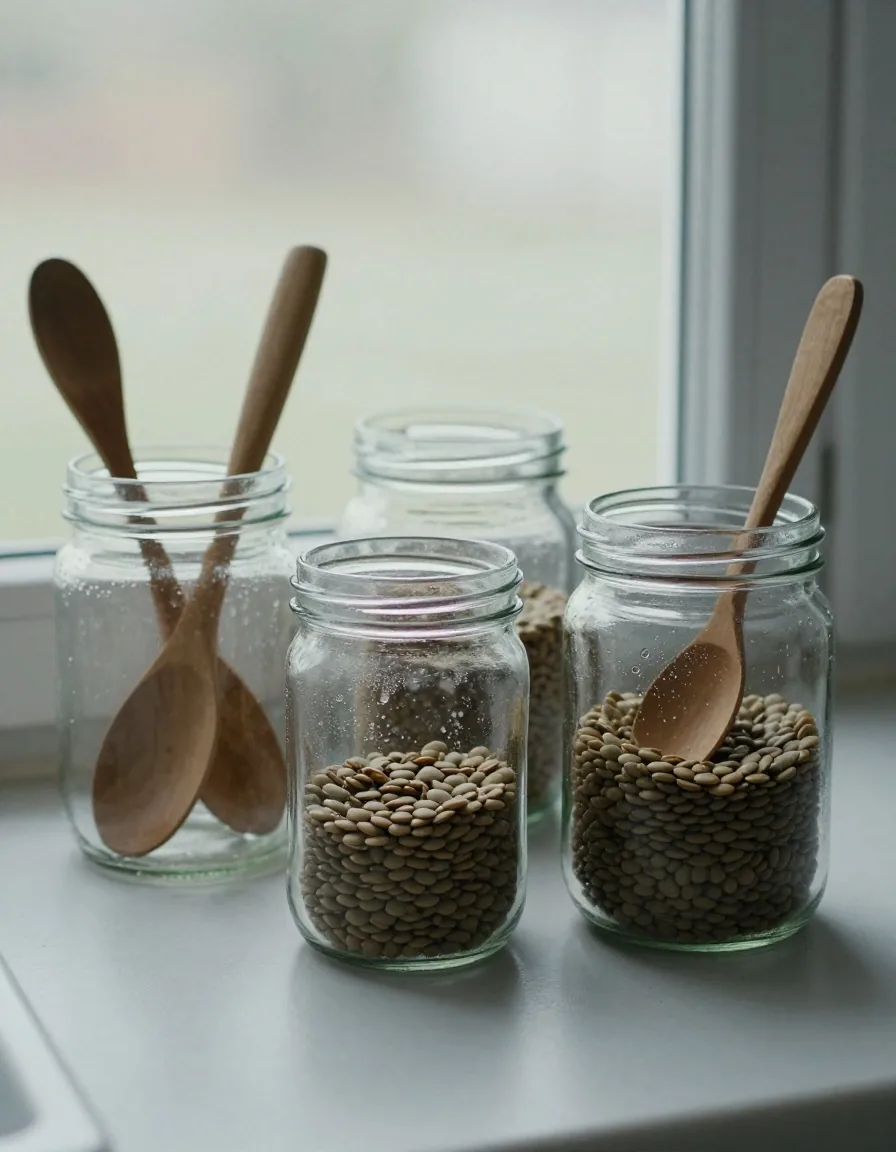
A painted jar needs the label glue removed first, and that is most of the work. We cover soaking, scraping, and which finishes survive a dishwasher — plus the jars that are not worth keeping.
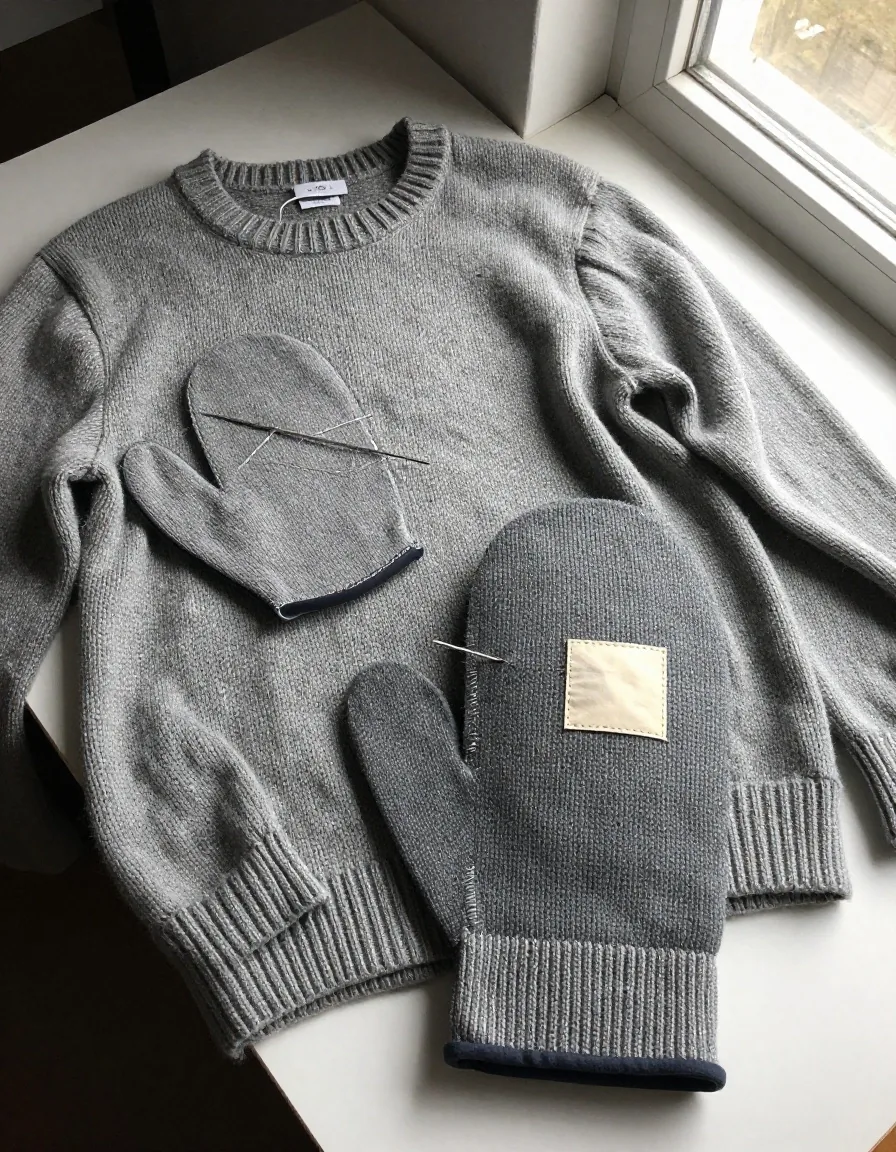
A jumper turned into mittens needs a sewing machine or very patient hand stitching. We say which projects need a tool you probably do not own, so you can pick ones that fit an evening at the kitchen table.
Projects use items most UK homes already have: glass jars, tins, odd socks, worn jeans, broken mugs. Nothing requires a workshop, and we cover the upcycling vs recycling difference with real examples rather than slogans.
Try an upcycling projectSustainable shopping tips
Loose fruit and veg is now standard in most large supermarkets. Bulk bins for dry goods are still rare outside independent shops, and refill stations exist in most cities and are spreading in market towns. We list the practical options rather than ranking brands: what to bring, what to expect, and what is usually cheaper in bulk — and what is not.
Buying in bulk is not always lower waste. If five kilos of oats go stale before you finish them, the bulk buy is a loss.
See the low waste home guideComposting food scraps at home
The order matters. With a garden, compost. With a balcony, a wormery. With neither, a council food waste collection, a neighbour with a compost heap, or a community garden that accepts scraps. Composting at home keeps the nutrients and saves the collection lorry. Council collection is better than landfill, and landfill is the only genuinely bad outcome — which is still the default for most UK flats.
The low waste home guide covers setting up each route, including what to do when a wormery smells wrong — usually too wet, sometimes too much citrus.
Second-hand first, but carefully
Charity shops, resale apps, and local giving groups are the largest single lever for most households. A jumper bought second-hand saves roughly the same resources as a jumper bought new and worn for years, without the manufacturing. That makes sustainable lifestyle habits less about products and more about sequencing: use what you own, repair, then buy used.
The care side is where people slip. Second-hand clothes need washing before wearing, checking for moths, and sometimes repairing before they are worth keeping. We cover the checks that stop you buying something worse than what you had.
How we write
We don't sell products. We don't rank brands for commission. We don't claim any swap is universally better, because that depends on where you live, what your council collects, and how much storage you have.
If a guide says a swap works, it is because we have tried it or because the constraint is documented somewhere we can point you to. If a swap has a catch, we say so before you buy.
That is the whole editorial approach, and it is the reason the site reads more like a notebook than a magazine — corrections, caveats, and the tedious middle included.
No shopping list required to begin
Checks tied to UK council rules
Caveats printed before the tip
Questions before you start
If your question is not here, write to us. We answer weekday emails between 9:00 and 18:00 and Saturday mornings, and we will tell you honestly if we do not know.
No. The first month is mostly about noticing what you throw away and changing one or two habits. The starter kit lists a handful of optional items you might add later, not a shopping list.
Partly. You can cut food waste, soft plastics, and most packaging without a garden or a big kitchen. Home composting needs outdoor space or a wormery, and council food waste collection is not universal, so the guides are written for that reality.
London. We write for UK households and check council rules and shop availability where we can, though collection rules vary by borough.
Neither. The Rework Room is an independent UK guide. We do not take commission on the things we mention, and we do not sell a product line alongside the writing.
Pick your first step
A flat with no garden, a shared house with a landlord's white goods, a family of five. The point is not a perfectly empty bin. It is fewer things thrown away by accident.