The Rework Room The Rework Room

A room-by-room low waste home guide

Less waste at home, room by room

Most household waste comes from three places: the kitchen, the bathroom, and wherever online orders land. Familiar ground for anyone trying to buy less, reuse more, and cook around what's already in the cupboard.

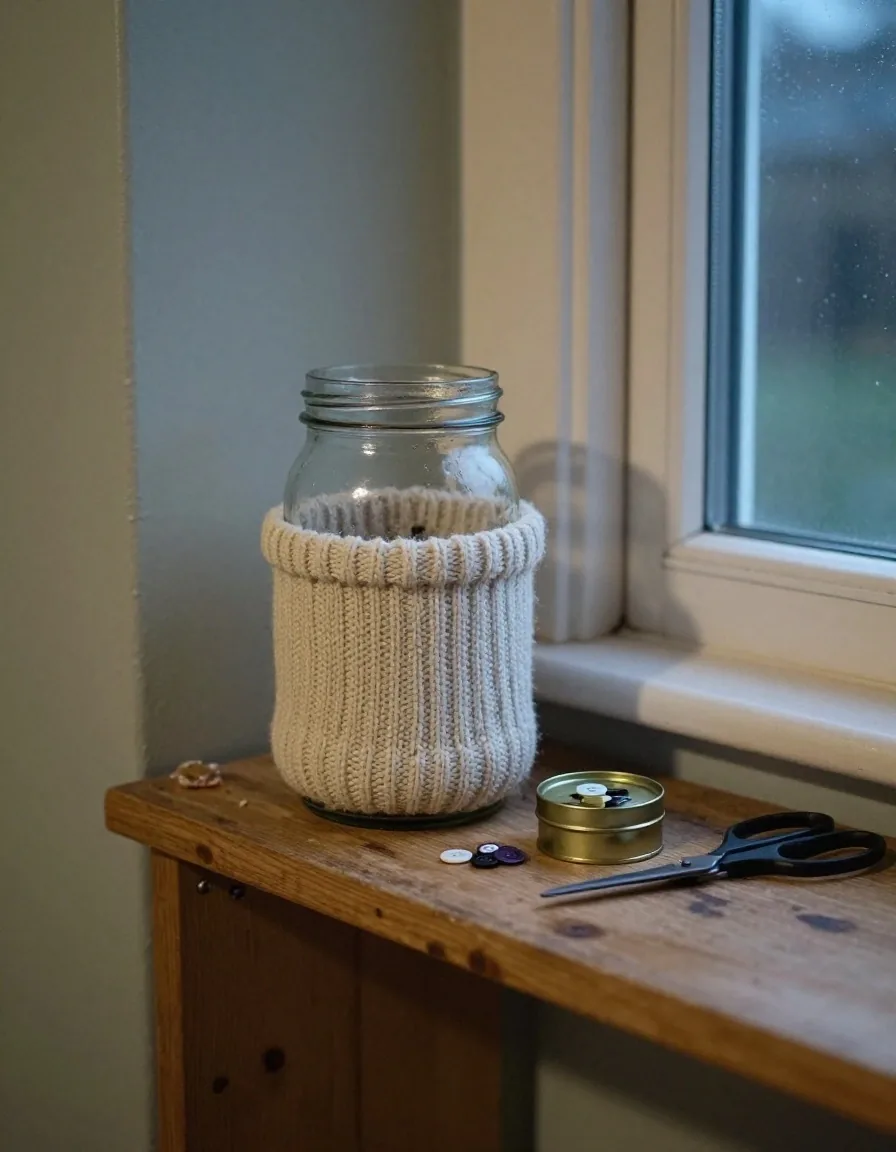
A reused glass jar being labelled on a kitchen worktop with brown paper tape
Reuse before replace

Read this as a menu

Pick the room where your bin fills fastest and start there

No single order suits every household, so this page is written to be dipped into rather than read start to finish. Each section names what to check with your council, what UK shops actually stock, and which changes hold up when the week gets busy. Renters are in mind throughout — most of the fixes here need no drilling, no landlord conversation, and no new appliance.

If you'd rather have the whole thing on one shelf first, the Zero Waste Starter Kit gathers the beginning habits, and the kitchen swaps guide goes deeper on food storage and cleaning.

Start with the national picture

What actually ends up in a UK bin

Before changing anything, it helps to know roughly what you're working with. Food waste is the largest single category by weight in most household bins, and a good share of it was still edible when it went in. Packaging comes second, split between what your kerbside service takes and soft plastics that mostly end up in landfill or incineration. Textiles, small electronics, and bulky items make up the rest, usually in small amounts that add up over a year.

Your council's collection rules decide which of those you can divert. Check the current list on your council's site, because accepted materials change more often than most guides admit — a few London boroughs now collect food waste weekly, and plenty still don't.

Food scraps

The heaviest single category in most bins. Eaten, fed to a wormery, composted, or collected — in that order of preference.

Packaging

Split between rigid packaging your kerbside takes and soft films that usually don't. Loose produce and refills cut this fastest.

Textiles and electricals

Small in weight, slow to leave the house. These are the leaks a regular clear-out fixes better than a daily habit change.

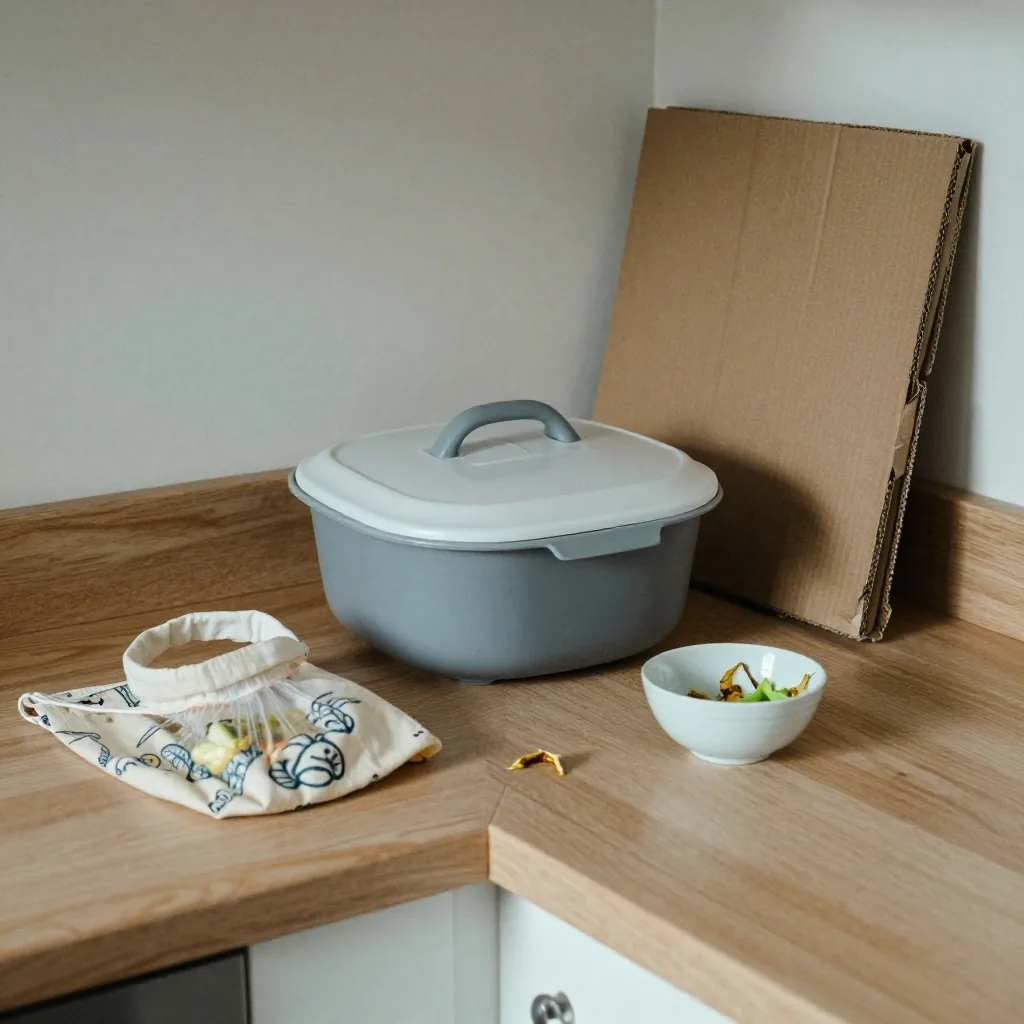
A kitchen bin area with a countertop food waste caddy, flattened cardboard, and a cloth produce bag

Once you know what your council takes, the room-by-room work gets easier, and the order of the sections below is simply the order that tends to move the needle fastest. Kitchens first because that's where the volume is.

Start the zero waste starter kit

Where waste is most visible

Kitchen: shopping, storage, and scraps

The kitchen is where waste is most visible and most fixable. Three habits do most of the work: planning meals around what you already have, storing food so it lasts, and keeping scraps out of the bin.

Shopping loose where it's easy

Loose produce is now standard in most large UK supermarkets, and markets are usually cheaper for the same fruit and veg without the film. Take a couple of reusable produce bags and skip the free plastic ones — they weigh almost nothing and last years.
Buying in bulk, honestly

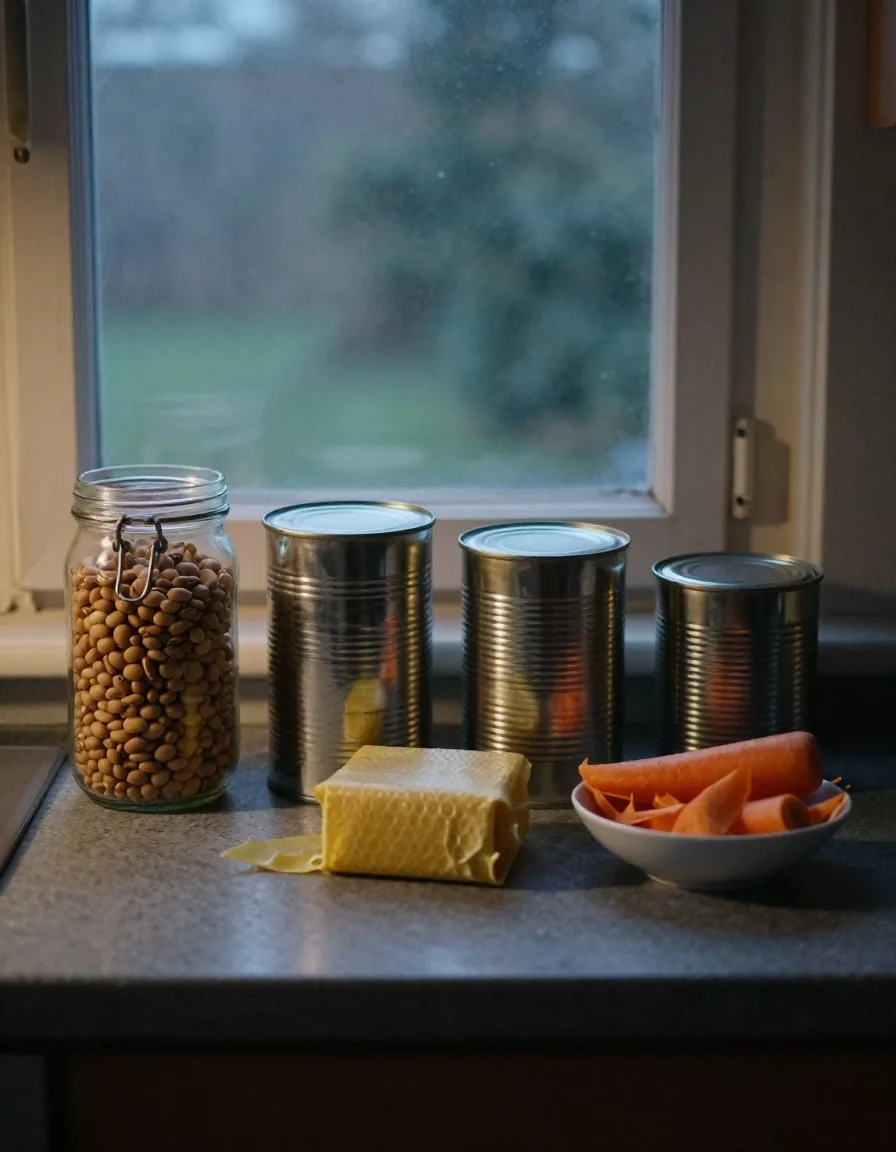
Buying in bulk saves packaging for dry goods, but only if you'll use them before they go stale. Five kilos of oats is not a bargain if half of them go off. Same logic applies to refills: buy the size your cupboard can actually store.

Storing so food lasts

Glass jars with tight lids, beeswax wraps for cheese and half-cut veg, and a visible shelf for whatever needs eating first. The change is usually storage you can see, not storage you buy.

Four reused kitchen containers laid out in a row on a workbench with vegetable peelings
Scraps, in order

The order of preference for scraps

Work down this list before the general bin, and most kitchen waste disappears without buying anything:

  1. Eat them — leftovers-to-lunch is a habit, not a recipe book.

  2. Feed a pet or a wormery, if you have either.

  3. Compost at home — the section below covers the three usual setups for UK homes.

  4. Use council food waste collection, when your borough runs one.

  5. Only then the general bin — and that's not a personal failing.

The kitchen swaps guide goes further into plastic free food storage and eco friendly kitchen cleaning, so this page stays usable as an overview.

The heaviest plastic load in the house

Bathroom: bottles, tubes, pumps, and pills

Per square metre, bathrooms beat kitchens for plastic. Bottles, tubes, pumps, and packaging stack up fast, and most of it isn't recyclable kerbside. The good news is a short list of swaps covers most of it — you don't need forty small changes, you need three or four.

Refillable soap and shampoo, either from a refill shop or as bar versions, replace the bulk of it. Toothpaste tablets and refillable deodorant work for some people and not others. Razors with replaceable blades last far longer than disposables and don't need a subscription.

A note on refill shops

Refill shops are excellent if you have one nearby and reuse the same bottles for years — cleaning products and dry goods usually come out cheaper or comparable, and the packaging on shampoo mostly disappears. If you're driving twenty minutes each way to refill shampoo, the maths gets worse, not better. Buy by the shelf nearest your week, not by the principle.

Reader routes that pair well with this section: plastic free alternatives for the wet room cabinet, and a beeswax wraps guide once you're replacing cling film in the kitchen drawer.

Fewer bottles, same clean

Cleaning without the plastic bottles

Cleaning products are mostly water — you're paying for the bottle and the shipping. Concentrates and refillable systems cut both, and a spray bottle topped up with a concentrated refill lasts months.

Keep it to three

One all-purpose spray, one bathroom cleaner, one floor cleaner, all concentrated or refillable. You don't need a different product per surface, and the cabinet gets quieter.

Where DIY works

White vinegar for limescale and bicarbonate of soda for sinks are the two mixes worth keeping. Where a DIY mix doesn't work — vinegar on stone or marble worktops, for instance — we say so rather than pretend the kitchen cabinet solves everything.

Cloths beat liquid

A few good microfibre cloths, washed and reused, replace kitchen roll for most jobs. Two cloths and one brush do more for a lower-waste cleaning routine than any single bottle on the shelf.

Three setups for UK homes

Composting food scraps at home

There isn't one right answer here — it depends on whether you have a garden, a balcony, or neither. Most of what people describe as "composting problems" comes down to moisture, browns, or a lid that doesn't seal, and all three are fixable.

If your council collects food waste, use it. It's less work than home composting, and the waste still gets processed usefully at the other end.

Garden heap or bin

A heap or a lidded bin takes most kitchen scraps except meat and dairy. Slow heaps are usually too dry or short on "browns" — add torn cardboard or egg cartons and turn it every few weeks.

Wormery on a balcony

Compact and handles vegetable scraps well indoors or on a balcony. A smelly wormery is usually too wet — drain it and add dry bedding. Onions, citrus, and cooked food tend to cause problems.

Bokashi indoors

If you have no garden and no balcony, a bokashi bin ferments scraps indoors — including cooked food and small amounts of meat or dairy — and the result can go into a council collection or a neighbour's compost. The bin is sealed, so it doesn't smell once it's working. Fruit flies in a kitchen caddy usually mean the lid isn't sealed tight and the contents are too wet, not that the whole system is beyond saving.

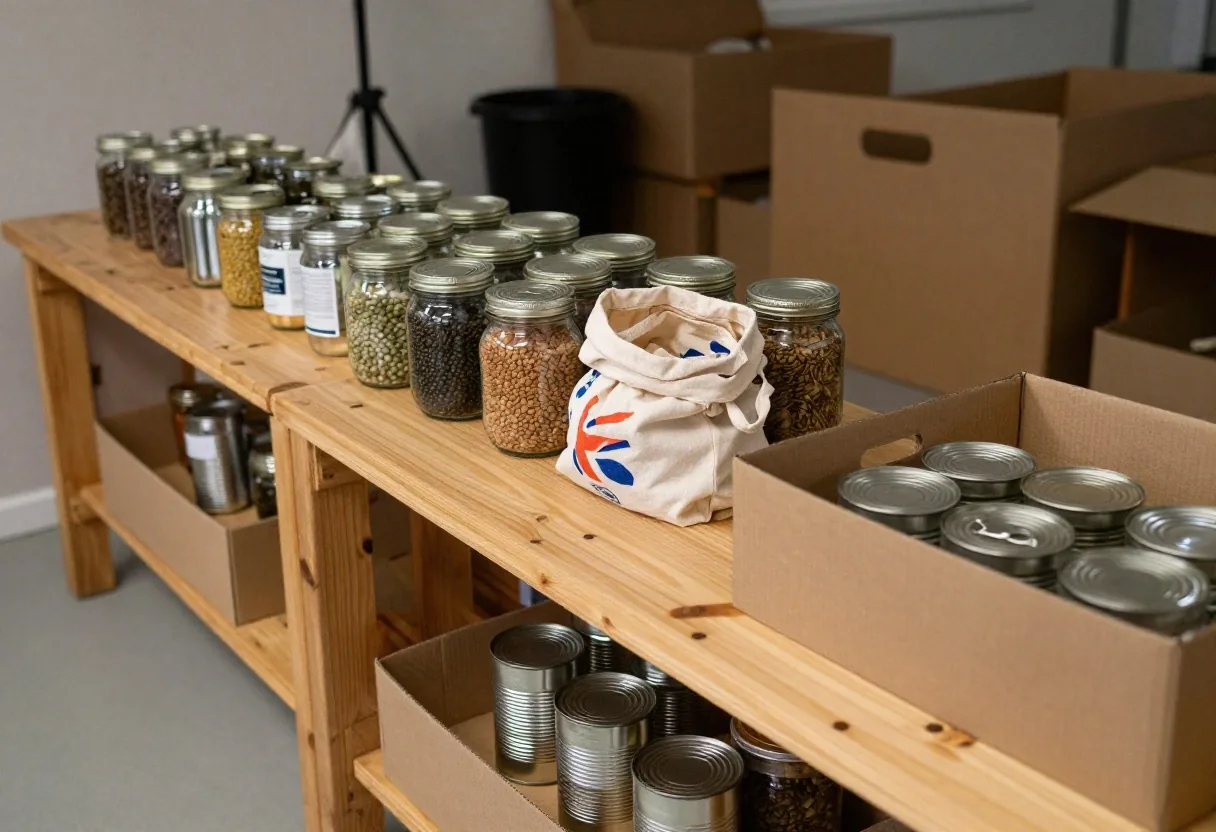
A canvas bag of worn clothes beside a box of cables with a repair kit on the floor

The slow leaks in most homes

Textiles, electronics, and the "for now" pile

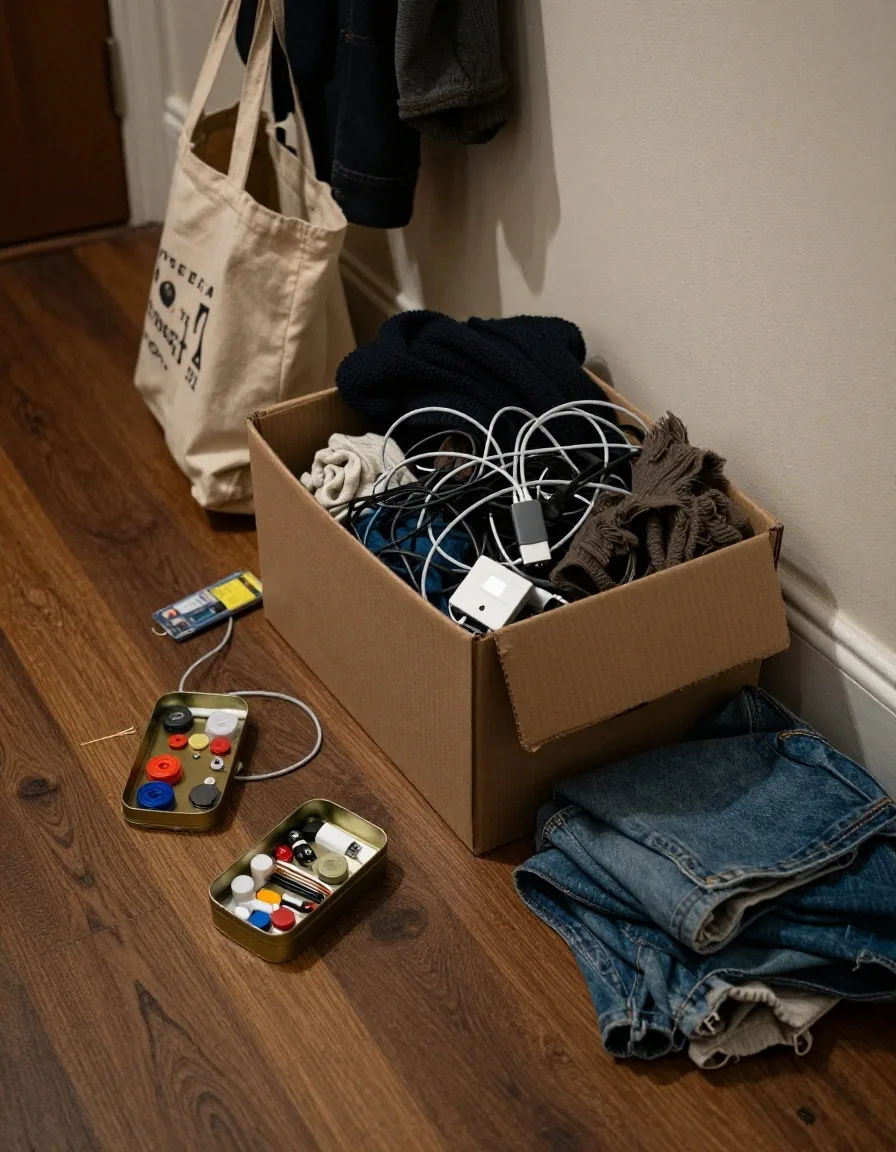
Clothes, cables, small electronics, and the box of things you'll deal with later. These leak slowly rather than fill a bin week to week, and the fix is a regular clear-out rather than a daily habit change.

Repurposing old clothes

The order is wear it, repair it, pass it on, sell it, donate it, and recycle last. Charity shops accept less than they used to, so check what your local one actually takes before filling a bag — and textile banks take worn items as long as they're clean.

Small electricals and cables

Most UK councils run a small electricals collection at the tip, and some retailers take back old appliances when you buy a replacement. Clear the cable drawer once a year, not once a decade — that's the whole strategy.

Creative upcycling ideas for the rest

Some of the "for now" pile is actually a project: glass jars into storage, a mended jumper into something wearable again, simple upcycling projects for an afternoon. That's the difference between upcycling vs recycling — one brings the thing back into use, the other ends its life at the kerb.

See the upcycling projects

Where you buy decides what you bin

Shopping without the packaging

Supermarkets, markets, refill shops, and online retailers all have different trade-offs. The practical approach is to shop around your habits, not the other way round.

Supermarket

Convenient and cheap, with plenty of packaging on anything not sold loose. Best for the bits you can't reasonably get elsewhere on a Tuesday night.

Market

Usually cheaper for produce and lighter on packaging, but not always. Use it if it's on your way home.

Refill shop

Excellent for dry goods and cleaning products when there's one within reach. Not worth a long drive for a single bottle of shampoo.

Online order

Often arrives with more packaging than the product itself. Sweep the cardboard into the recycling and note the ones that over-box everything.

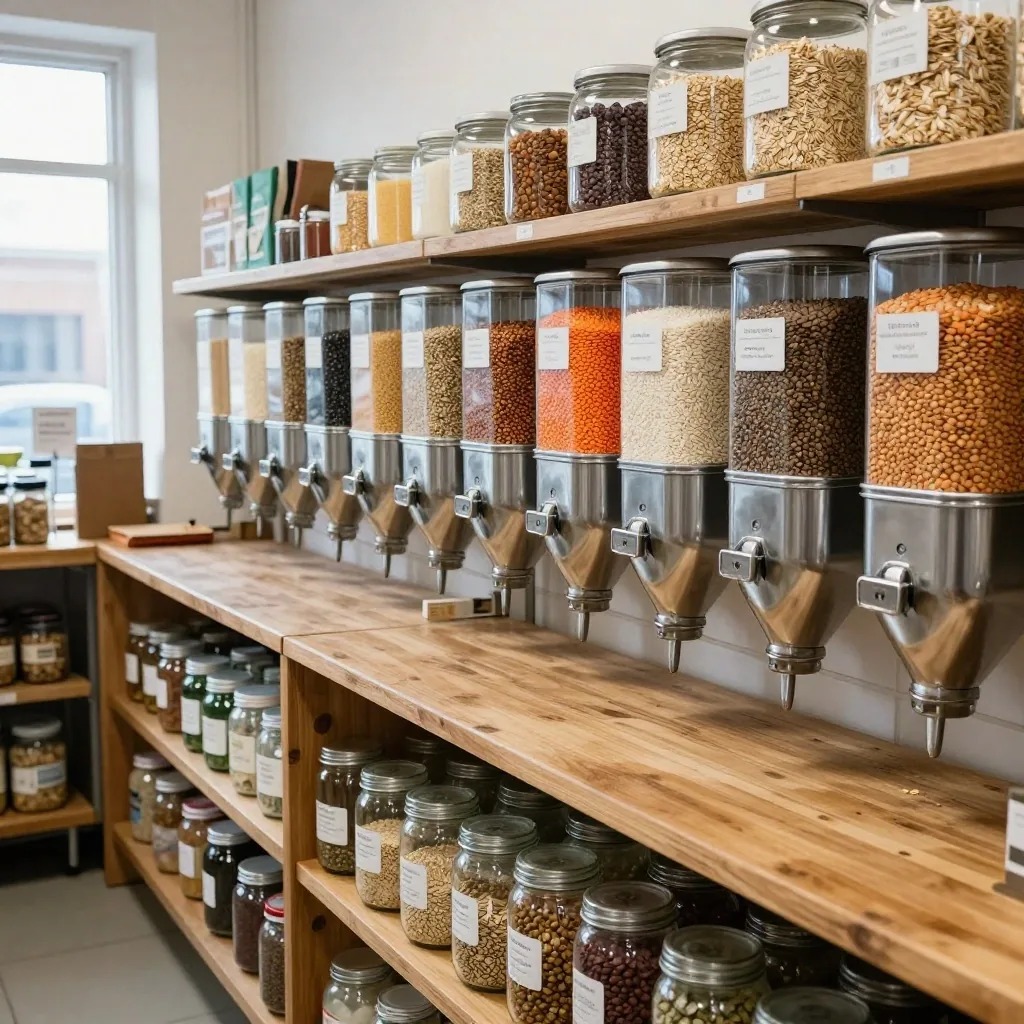
A row of steel gravity dispensers holding dried grains with empty jars waiting on the counter

One rule for buying in bulk

Only buy the size you'll finish before it goes off. Buying in bulk is usually cheaper per unit, but if you can't use the quantity in time, the cost is higher, not lower. The same goes for sustainable home essentials — buying the reusable version of something you already own and use is the lowest-waste move there is.

The rest of sustainable shopping is unfashionably boring: keep a couple of cloth bags in your coat, refill the same bottles until they crack, and buy the boring version of what you'll actually cook this week.

Where to go next

Pick the room where your bin fills fastest and start there

Start small. One room, one habit, and a fortnight of paying attention to what you throw away is usually enough to find the next thing to change.

Ask us a question

If something in your council's list is confusing, or you're not sure whether a swap suits your home, write to us and we'll answer with what we know about UK collections.

The Rework Room, 42 Bramley Road, London, N14 4HR. Open Monday to Friday, 9:00–18:00, and Saturday, 10:00–16:00.

Go to the contact page

Straight answers

Questions we get asked most

If your question isn't here, the contact page is the fastest route to an answer.

Ask us a question
Is buying in bulk always cheaper?

No. It's usually cheaper per unit, but if you can't use the quantity before it goes off, the cost is higher, not lower. Buy the size your cupboard will finish.

What if my council doesn't collect food waste?

Home composting, a wormery, or a bokashi bin are the usual alternatives. If none of them fit your home, the general bin is what's left, and that's not a personal failing — the section above covers which setup suits which kind of home.

Do refill shops save money?

Sometimes. Cleaning products and dry goods are often cheaper or comparable, and the packaging disappears. Shampoo and cosmetics usually aren't cheaper per unit, so treat those as a packaging decision rather than a savings one.

Do I need to buy a starter kit to do any of this?

No. Everything on this page works with what's already in your kitchen — a lidded jar, a couple of cloth bags, and a container for scraps. The zero waste starter kit is a convenience, not a prerequisite.

Where can I read more about upcycling?

The upcycling projects page covers how to upcycle glass jars, repurposing old clothes, and upcycled home decor DIY for a weekend afternoon.

A wooden shelf of steel tins and glass jars on a refill shop counter with brown paper bags
Where we write from

Who puts this together

A household guide, not a rulebook

The Rework Room is an editorial UK guide to zero waste living and creative upcycling. The pages here are written from a London home and a shared workshop, using what actually works in a rented flat with a small kitchen, a balcony, and a council that changes its collection list more often than it should.

Nothing on this page is a guarantee about your council, your shops, or your bin. It's a clear starting point — check the local details, then pick the room that's costing you the most.

Read more about us